A free public tool that checks an Ontario pay stub against the Employment Standards Act, 2000, and shows the section of the law beside each line. The photo is read on the phone and never uploaded. It gives information, not legal advice.
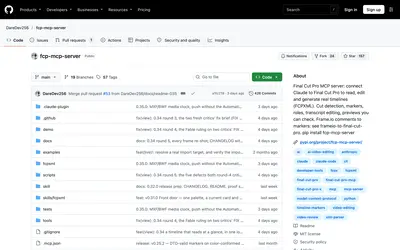
fcp-mcp-server and Cut Review
Open source
Developer tools for Final Cut Pro. fcp-mcp-server lets AI assistants read and edit timelines; Cut Review turns review notes into to-do markers and shows which are ticked off.
A Mac menu-bar app that says GO or NO-GO before you go on stage. Nine checks add up to one verdict, and every NO-GO comes with the fix and the sentence to say to AV when it is their gear.
A macOS dashboard that puts a whole operation on one screen: sites and visits, channels, money, jobs and the calendar, each number showing its source and age. Shown with sample data.
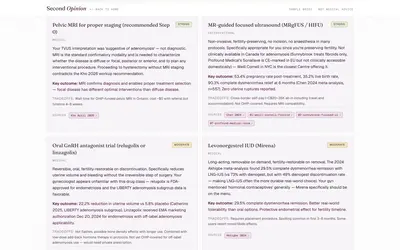
An AI tool that writes a cited appointment brief for a patient to bring to an OB-GYN, checking its own claims against its sources. It prepares questions for a doctor. It does not diagnose and is not medical advice. Built for the Cerebral Valley Built with Opus 4.7 hackathon, April 2026.
Caribbean takeout at Jane St and Eglinton West: two kitchens, a menu for each, a feed-a-crowd planner, and order and call buttons that name the kitchen.
Reaching Home: Canada’s Homelessness Strategy funding must be used exclusively to serve people experiencing or at imminent risk of homelessness.
The Kenora District Services Board (KDSB) community plan divides DC/TH and CCI Reaching Home funding from 2024-25 to 2027-28 by activity area, with these planned yearly shares: Housing Services 38%, Client Support Services 43%, Coordination of Resources and Data Quality Improvement 4%, Administration 15%.
Capital investments are intended to increase the capacity or improve the quality of facilities that address the needs of individuals and families experiencing or at imminent risk of homelessness. Reaching Home funding must not duplicate or displace funding from other programs.
Funding is no longer available under the Canada Mortgage and Housing Corporation (CMHC) Seed Funding program. Due to the government’s Comprehensive Expenditure Review, no new funds will be allocated to Seed Funding. As a result, the program is no longer accepting new applications, and the application portal is now closed.
This program helped community housing providers cover early development costs for new or renovated affordable housing. Applicants could apply for up to $350,000 in interest-free loans and a maximum of $150,000 of non-repayable contributions to assist with early development expenses.
Ontario Trillium Foundation (OTF) Seed grants help organizations, municipalities, and First Nations improve how they deliver programs and services that directly benefit community members. Applicants can apply for funding to carry out projects focused on organizational planning, piloting a new program, or building their capacity to plan for future programs and services.
Grants range from $10,000 to $100,000, for 6 or 12 months. Projects that primarily focus on and have a large request budget for capital costs are not a fit for Seed grants.
The August 19, 2026 deadline has passed, and the grant application period is now closed.
Answers recorded from Kenora Funding Navigator on Oct 20, 2026, shortened for space. Ask your own on the live site.
Software built around how your team works, personal dashboards that put your sites, channels, money and calendar on one screen with every number dated, and tools that answer from your own documents with the source shown.